
Inside a Direct-to-Consumer Specimen Kit Rollout
Clinical kitting programs carry a level of complexity that goes beyond standard retail or marketing kits. When the contents involve specimen collection materials, every unit needs to be accurate, every component needs to be tracked by lot and expiry, and every kit needs to reach its recipient with the right instructions.
This case study details how D3 managed a 25,000-unit specimen kit rollout for a clinical program, coordinating data, clinical supply receiving, variable printing, and direct-to-recipient fulfillment.
The Challenge
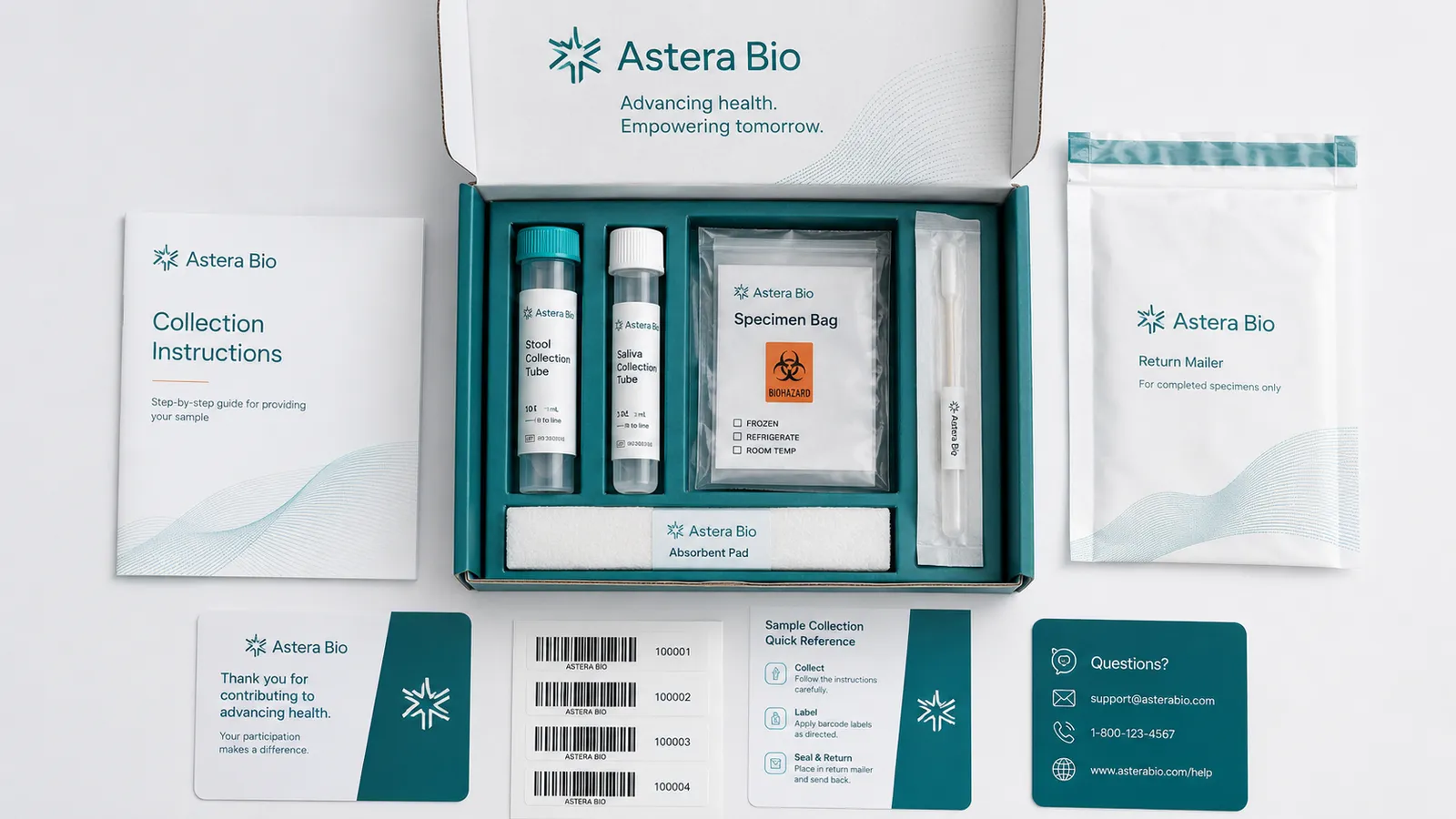
A clinical laboratory needed to distribute 25,000 collection kits directly to patients over a 90-day window. Each kit contained blood and urine collection materials, biohazard bags, return shipping materials, and a personalized requisition form.
The program required strict adherence to several factors:
- Lot and expiry control for every clinical component
- Variable data printing for personalized requisition sheets and return labels
- Regulatory compliance for biohazard marking and return logistics
- Real-time inventory visibility to prevent stock-outs of clinical supplies
- Detailed reporting for patient delivery tracking
"Clinical kitting is not just about assembly speed. It is about the accuracy of the data and the integrity of the clinical components before they even reach the line."
The Solution
D3 structured the program as a connected workflow where clinical supply management and data processing happened in parallel with production planning.
Step 1: Clinical Component Receiving & Inspection
Clinical supplies—vials, swabs, and reagents—were received from multiple specialized manufacturers. Each shipment was inspected for damage and verified against the BOM for lot numbers and expiration dates. Materials were logged into an inventory system that flagged any components nearing their expiry window.
Step 2: Variable Data Requisition Forms
Each kit required a personalized requisition form. D3 processed the patient data file to generate 25,000 unique forms, each including the patient name, record ID, and a pre-assigned kit serial number. This data was also used to generate the pre-paid return shipping labels included in every kit.
Step 3: The Pilot Run
Before full production, a pilot run of 200 kits was assembled. This step verified that the specialized packaging could safely contain all vials without risk of breakage during transit and that the IFU (Instructions for Use) were clear and correctly placed.
Step 4: Lot-Controlled Assembly
The production line was set up with stations dedicated to specific components. Each station logged the lot numbers being used, ensuring full traceability from the patient back to the original clinical supply batch. Assembly included the collection materials, the IFU, the biohazard return bag, and the personalized requisition form.
Step 5: Coordinated Fulfillment
Kits were drop-shipped daily as data files were received. D3 integrated with the lab’s system to write back tracking numbers and delivery confirmations, giving the clinical team full visibility into which patients had received their kits.
The Results
- 25,000 kits delivered on schedule with 0% lot-reconciliation errors
- Reduced patient support calls through clearer IFU placement and kit organization
- Consolidated vendor management for clinical supplies, printing, and logistics
- Full traceability for every kit serial number