
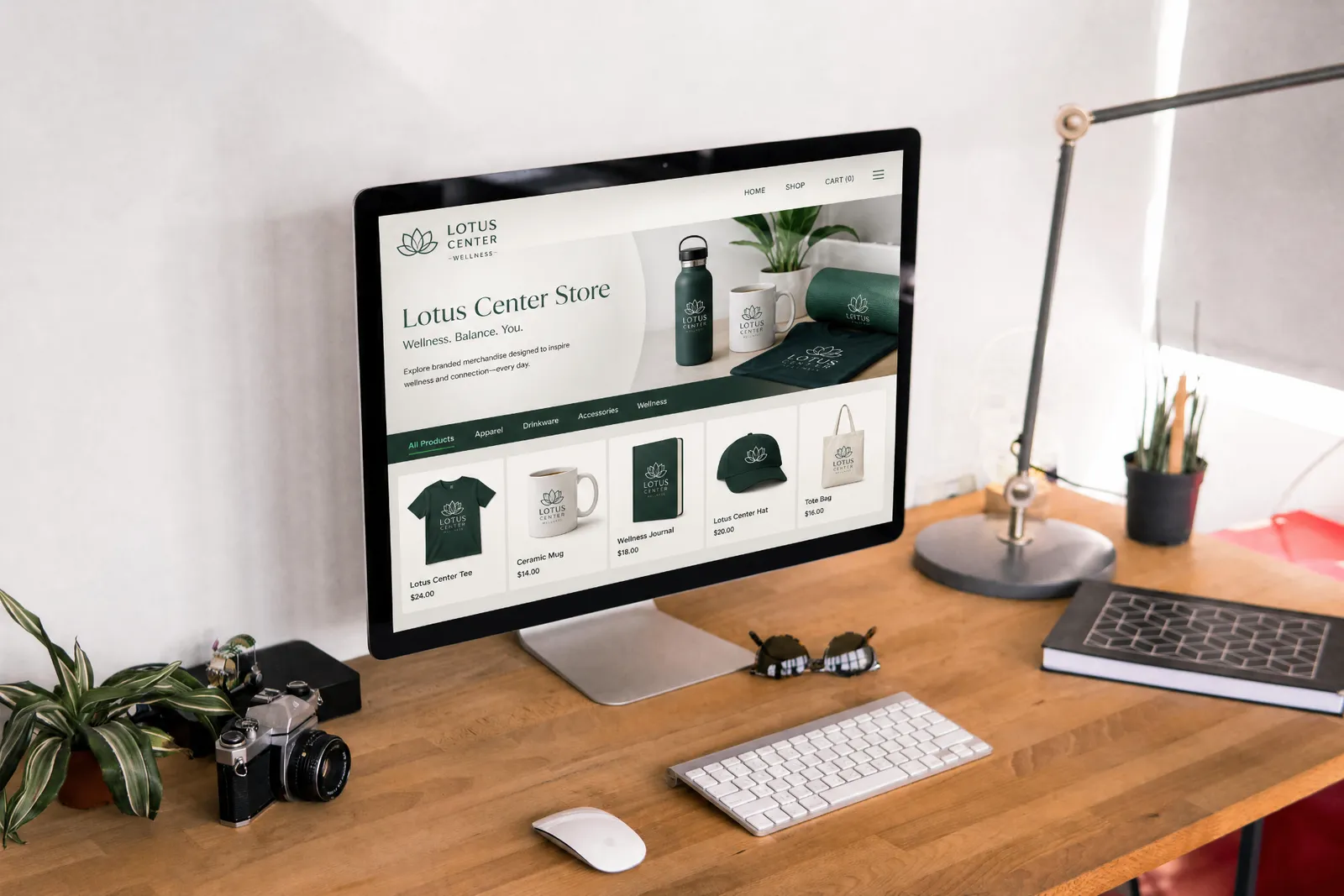
How to Build a Company Store That Teams Actually Use
A company store sounds simple. Put branded items online. Let employees order what they need. Ship the products. Done.
But anyone who has managed branded merchandise knows it can get messy quickly. Items go out of stock. Teams order off-brand products. Budgets get fuzzy. Approvals happen through email. Someone needs 200 shirts by Friday. Someone else wants a custom item that does not meet brand standards. The marketing team gets pulled into every single request.
That is why a good company store is not just a place to buy swag. It is a system for making branded merchandise easier to manage.
"A company store should not create more work for your team. It should remove the small daily requests that slow everyone down."
Why Company Stores Fail
Most branded merchandise portals fail for one of a few reasons. The catalog is too big. The catalog is too limited. The products are not useful. The approval process is unclear. Budgets are hard to manage. Inventory is not accurate. The site is hard to use. Local teams do not know what to order. Marketing still has to answer every question.
When that happens, people stop using the store. They go around the process, order one-off items, or ask the marketing team to handle it manually. The store technically exists, but it is not helping.
Start With the People Who Will Use It
A useful company store starts with the audience. Who needs access? That might include:
- Employees
- Sales teams
- HR teams
- Recruiters
- Event teams
- Franchise or location managers
- Dealers or partners
- Field teams
- New hires
- Customer success teams
- Executive assistants
Each group may need different items. Sales may need leave-behinds and client gifts. HR may need onboarding kits. Events may need booth materials and giveaways. Local teams may need signage, apparel, or promotional products. Leadership may need premium gifts.
The store should be built around real use cases, not just a random product list.
Build a Catalog People Actually Want
A company store does not need hundreds of items. It needs the right items. A strong catalog usually includes a mix of practical, brand-right products that people will use:
- Apparel
- Drinkware
- Bags
- Office items
- Event giveaways
- Sales materials
- New hire kits
- Client gifts
- Employee recognition items
- Seasonal items
- Location-specific materials
- Print collateral
- Signage or displays
Add Approval and Budget Controls
A company store becomes much more useful when it includes guardrails. Without approvals and budget controls, branded merchandise can quickly become expensive and inconsistent.
Helpful controls may include user permissions, department budgets, location budgets, approval workflows, product restrictions, quantity limits, preapproved item lists, spending reports, custom order requests, manager review, and brand compliance checks. These controls help teams move faster while still protecting the brand and budget.
Make Inventory Visible
Inventory visibility is one of the biggest benefits of a managed company store. Teams should be able to see what is available, what is low, what is backordered, and what may need to be reordered soon.
Behind the scenes, inventory reporting can help marketing and operations teams understand which items are most popular, which items are not moving, what needs to be replenished, what should be retired, how much inventory is tied up, which locations or teams are ordering most often, and when seasonal items should be planned.
Plan for Fulfillment
The store experience does not end when someone clicks “order.” Fulfillment matters. Who packs the order? Where is inventory stored? How quickly does it ship? Can orders go to multiple locations? Can kits be assembled? Can new hire packages be sent directly to homes? Can event materials be shipped to a venue?
A good company store should support the real-life ways teams need materials delivered.
Final Takeaway
A company store should make life easier. It should help teams order approved items quickly, protect the brand, manage budgets, track inventory, and reduce one-off requests.
The best stores are not just online catalogs. They are branded merchandise systems that support the way teams actually work.