
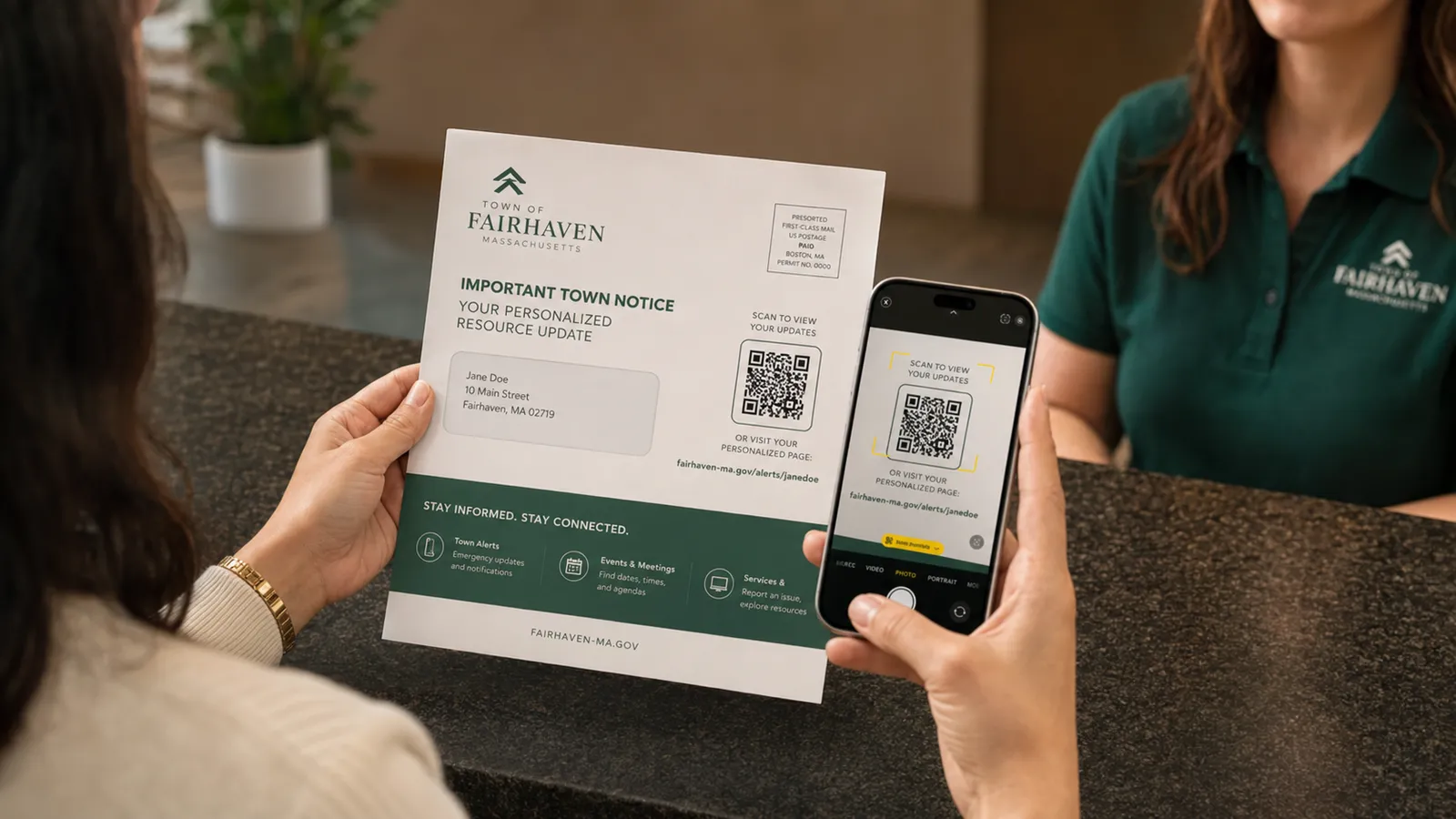
Direct Mail Is Not Just a Mailpiece Anymore
Modern direct mail does not have to stop at the mailbox.
A postcard, letter, self-mailer, catalog, notice, or printed offer can be the first step in a much larger response path. It can lead someone to a landing page, payment portal, sign-up form, donation page, appointment scheduler, personalized URL, or digital follow-up campaign.
That is where direct mail gets exciting.
The printed piece gets attention. The digital experience gives people a way to act. The data helps you understand what happened next.
"Direct mail gets attention. Digital captures action. Data connects the journey."
Why Print and Digital Work Better Together
Print and digital are not competing for the same job.
Print is great for attention, trust, and physical presence. Digital is great for speed, interaction, testing, and tracking.
When you connect the two, your campaign can feel more memorable and more measurable.
D3's Print & Mail Are Here to Stay infographic noted that linking mail pieces to digital marketing can increase response rates and conversion rates. The big idea is simple: when print and digital support each other, each channel has a clearer job.
Start With the Audience
A strong direct mail campaign starts before anything is designed or printed.
It starts with the list.
Who are you trying to reach? What do they already know? What action do you want them to take? What data do you have that can make the message more relevant?
Audience data can shape who receives the campaign, what message they see, what offer they get, what location or service is featured, what landing page they visit, and what follow-up they receive.
This is where direct mail becomes much more targeted than people expect.
Give the Mailpiece a Clear Next Step
The mailbox should not be the end of the campaign.
A strong mailpiece needs a simple next step.
That might be scanning a QR code, visiting a personalized URL, scheduling an appointment, making a payment, renewing a membership, downloading a guide, claiming an offer, registering for an event, requesting a consultation, or logging in to a portal.
The key is clarity. People should understand what to do next quickly.
Connect the Tools
This is where direct mail becomes a campaign instead of a one-off piece.
Use QR codes and personalized URLs to connect print to digital action. Use Informed Delivery to create an extra digital touchpoint before the printed piece arrives. Use a campaign landing page that matches the mailpiece. Use tracking to understand who responded and what happened next.
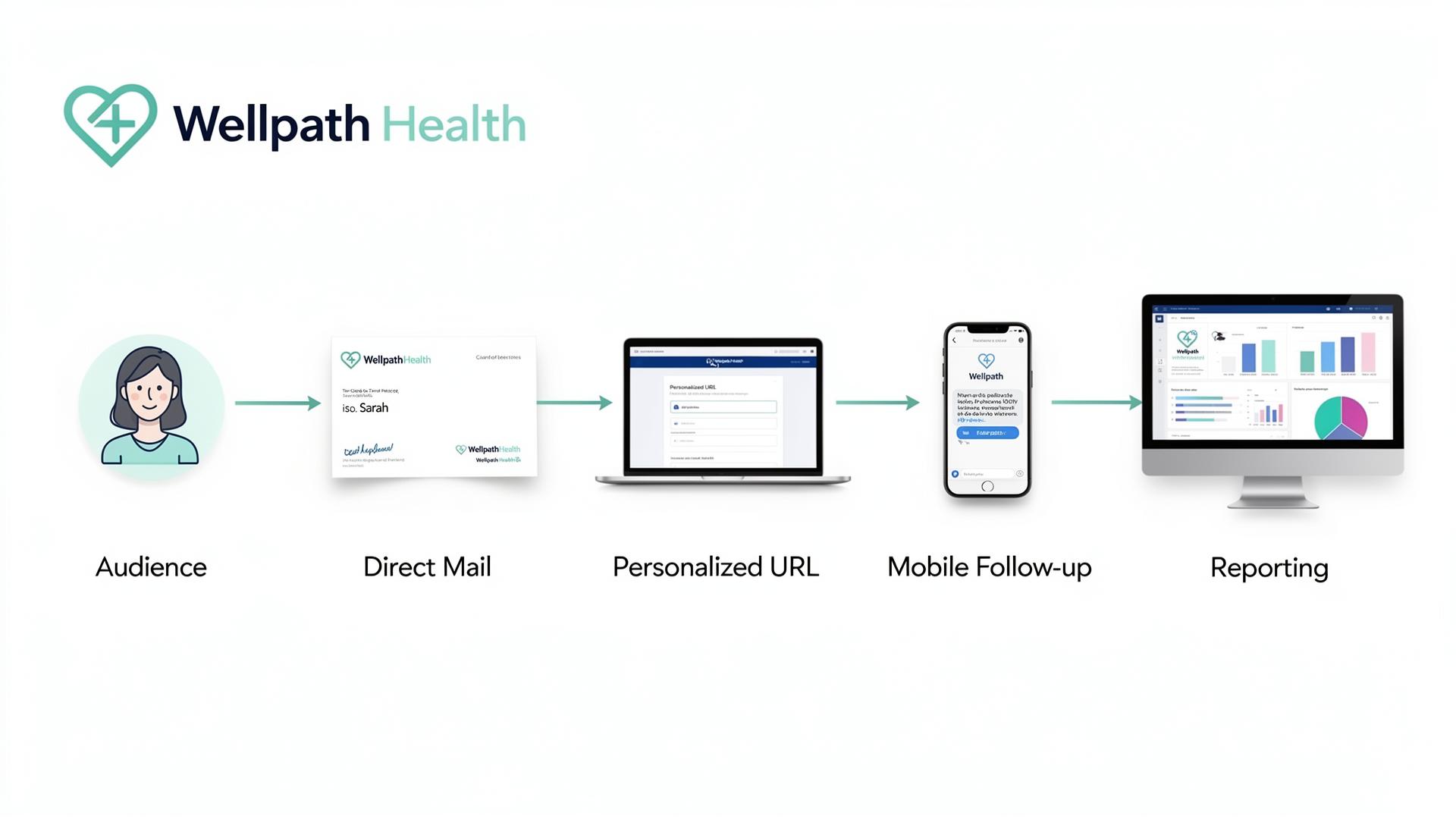
Build a Landing Page That Matches the Mail
This is where many campaigns fall short.
The mailpiece says one thing. The landing page says something else. Or the QR code sends people to a general homepage where they have to figure out what to do next.
Keep the experience connected.
If the mailpiece promotes an offer, the landing page should show that offer. If the mailpiece asks someone to schedule, the page should make scheduling easy. If the mailpiece explains a service, the page should continue that conversation.
The easier the path, the better the response.
Track What Matters
Direct mail can be measured. You just need to plan for tracking before the campaign launches.
Useful tracking tools can include QR codes, personalized URLs, campaign landing pages, call tracking numbers, offer codes, Informed Delivery clicks, matchback analysis, response forms, CRM updates, and sales team feedback.
The goal is not to track everything just because you can. The goal is to track the things that help you make the next campaign better.